
Dental crown treatment can be a simple way to protect a weakened tooth and restore its function and appearance. Most people put off dental treatment because they’re not sure what to expect, and a damaged tooth can feel like a bigger problem than it actually is. At Tesoro Dental, Dr. Ahreum Kim, DDS and Dr. Sam Park, DDS make it a priority to walk you through your options clearly, so you can make the best decision for your smile. A dental crown is often the simplest path to protecting a weakened tooth and restoring everything it used to do.

The Situations That Call for a Crown
Not every dental problem calls for a crown, but there are several situations where it’s clearly the best option. A tooth that’s cracked or fractured, especially one that’s painful under pressure, often needs a crown to hold it together and prevent the damage from spreading. The same applies to a tooth that’s been so heavily decayed that a filling can no longer do the job on its own.
Crowns are also commonly placed after a root canal, since the procedure can leave a tooth more brittle and vulnerable to breaking. They’re used to cover dental implants, anchor a bridge in place, and protect teeth that have worn down significantly over time. In some cases, a crown is even the right call for a tooth that’s misshapen or severely discolored when other cosmetic options aren’t enough to get the result you’re looking for.
Benefits of Crown
A Natural-Looking Result That Fits Right In
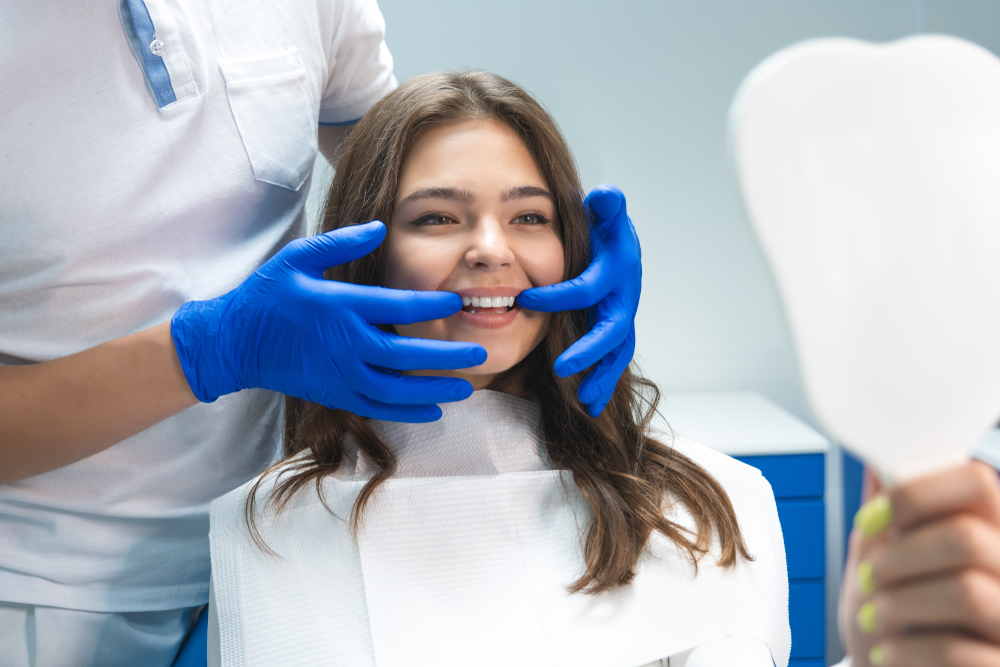
Modern crowns are crafted to match the color, shape, and size of your surrounding teeth. Most people won’t be able to tell the difference between a crown and a natural tooth. That level of aesthetic accuracy means you can smile, laugh, and speak without feeling self-conscious about your dental work.
Stops a Small Problem from Becoming a Bigger One
A cracked or weakened tooth that goes untreated doesn’t stay the same; it gets worse. Crowns halt that progression by fully encasing the tooth and cutting off further damage. Addressing the issue early with a crown is almost always less involved and less costly than the alternatives down the road.
Keeps Your Surrounding Teeth in Their Proper Place
When a damaged tooth is left untreated, neighboring teeth can shift to compensate, throwing off your bite and alignment. A crown preserves the tooth’s original position so the rest of your teeth don’t have to adjust. This helps you avoid the cascading dental issues that often follow tooth loss or significant structural damage.
Built to Handle the Demands of Daily Use
Teeth take on a lot: chewing, biting, grinding. A crown is designed to hold up under all of it. High-quality materials like porcelain-fused-to-metal and zirconia are both durable and resistant to everyday wear. A properly placed crown won’t compromise under pressure, giving you reliable function for years.
Pairs Well with Other Dental Treatments
Crowns don’t always work alone. They’re a key component in several broader dental procedures, topping implants, holding bridges in position, and completing root canal treatments. Having this versatility means your dentist can use a crown as part of a comprehensive plan to address multiple concerns at once.
Here’s Exactly What Happens When You Get a Crown
Why Choose Us
At Tesoro Dental, we take the time to understand what brought you in and what outcome you’re hoping for. Dr. Ahreum Kim, DDS and Dr. Sam Park, DDS combine clinical precision with a patient-first approach, making sure you feel informed and at ease at every stage of your crown procedure. We use quality materials and proven techniques to ensure your restoration fits well, looks natural, and lasts.
We also know that dental work can feel overwhelming, especially when a tooth is badly damaged or you’ve been putting off treatment. Our team is here to make the process approachable and straightforward. From your first consultation to your final follow-up, you’ll have a clear understanding of what’s happening and why, so you can move forward with confidence.

Protect Your Smile with a Custom Dental Crown at Tesoro Dental
A dental crown can do a lot, from protecting a weakened tooth and eliminating discomfort to restoring full function, but it starts with a single appointment. Dr. Ahreum Kim, DDS and Dr. Sam Park, DDS at Tesoro Dental are here to answer your questions and walk you through your options with no pressure. Give our practice a call at 661.702.9595 to get started. Our social media pages are also a great place to learn more about what we do and stay connected with our dental community.
FAQs
What is a dental crown?
A dental crown is a tooth-shaped cap placed over a damaged or weakened tooth to restore its function, shape, and appearance. It covers the tooth from the gumline up and can be made from porcelain, ceramic, metal, or a combination of these materials. The right material depends on the tooth’s location, the pressure it handles, and your aesthetic needs.
How much does a dental crown cost?
Crown costs vary based on material, tooth location, and the complexity of your case, generally ranging from a few hundred to over a thousand dollars per tooth. Dental insurance often covers a portion when the crown is medically necessary. During your consultation, your dentist will review your specific situation and provide a transparent cost breakdown before any treatment begins.
How long do dental crowns last?
Dental crowns typically last 10 to 15 years, though many patients keep theirs well beyond that with consistent care. Daily brushing, flossing, and routine dental visits all contribute to a longer lifespan. Habits like teeth grinding or chewing on hard objects tend to wear crowns down faster, so addressing those early makes a real difference.
Can MRI be done with dental crowns?
MRI scans are generally safe for people with dental crowns. Porcelain and ceramic crowns are non-magnetic and won’t interfere with imaging. Crowns with metal components may cause minor image distortion near the mouth, but this rarely affects scans of the brain, spine, or other areas your doctor needs to evaluate. Always inform your medical team about any dental restorations beforehand.
Can dental crowns cause cancer?
No credible scientific evidence links dental crowns to cancer. The materials used, porcelain, ceramic, and biocompatible metal alloys. have been rigorously tested and are considered safe for long-term use in the mouth. If you have specific concerns about crown materials, your dentist can walk you through your options so you feel fully confident in your treatment choice.