
Dentures have helped millions of people reclaim full oral function, and yet many patients put off the conversation because they’re not sure what to expect. Dr. Ahreum Kim, DDS and Dr. Sam Park, DDS at Tesoro Dental understand this, and they approach every denture case with the kind of attention and care that makes a real difference. The goal isn’t just to give you replacement teeth; it’s to give you back the oral function and confidence that tooth loss has taken away. Our team works closely with you to find a solution that fits both your mouth and your everyday life.
Full Dentures vs. Partial Dentures: Which one do you need?
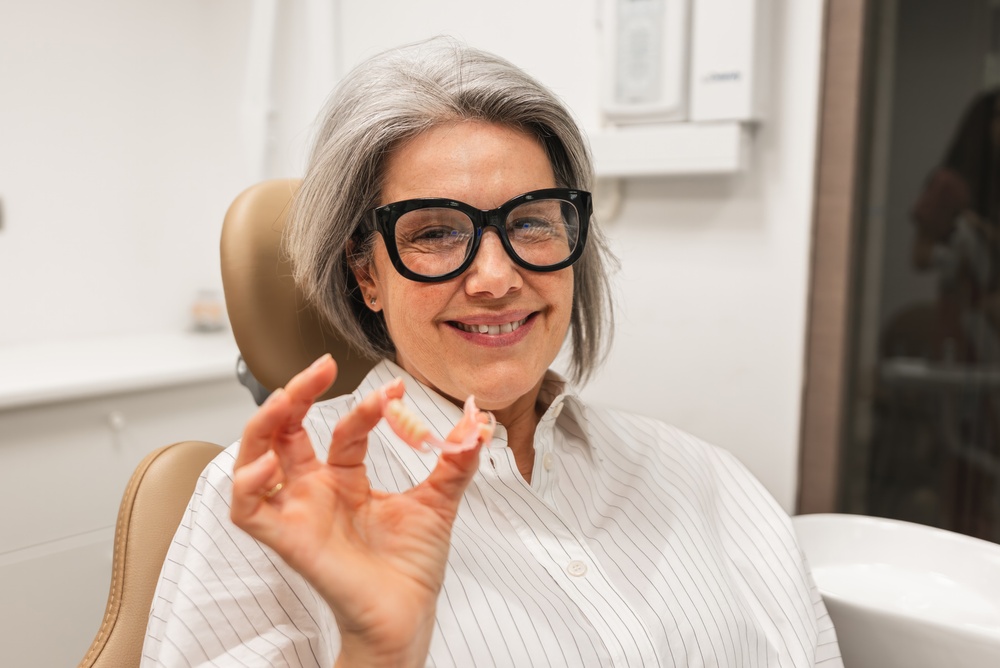
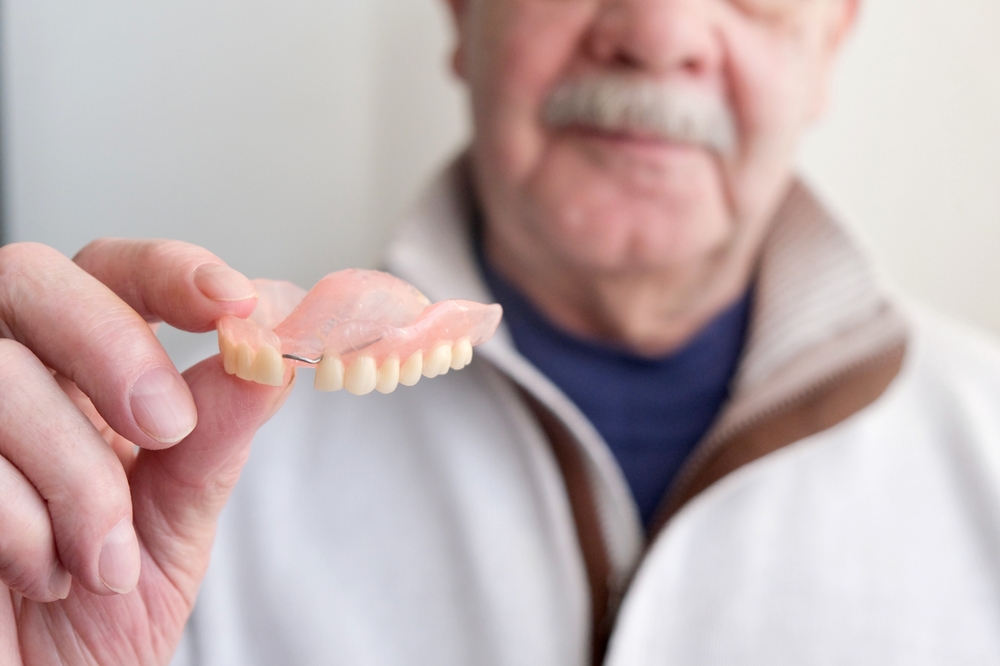
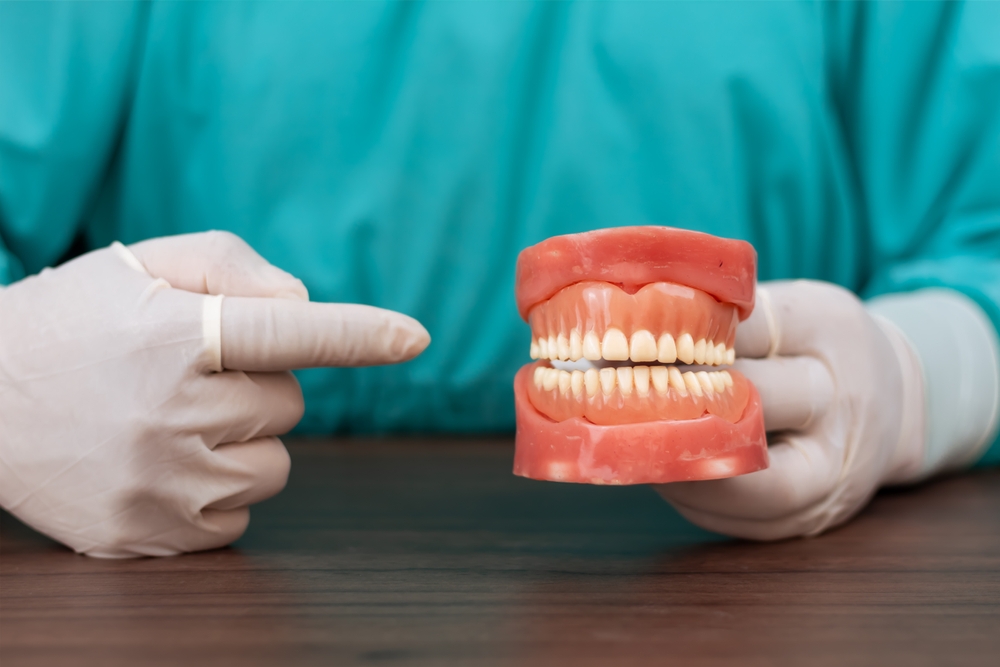
The type of denture that’s right for you depends on how many teeth you’ve lost and the condition of the ones that remain. Full dentures replace an entire arch, upper, lower, or both, and are typically recommended when most or all natural teeth are missing or need to be extracted. Partial dentures, on the other hand, are used when healthy natural teeth are still present. They fill in the gaps left by missing teeth and are designed to clip or attach securely to the surrounding teeth for stability.
Choosing between the two isn’t always straightforward, which is why a proper clinical evaluation matters. Factors like bone density, gum health, and the number of remaining teeth all play a role in determining the best fit for your situation. Your dentist will assess these factors during your consultation and explain which option gives you the most functional, long-lasting result. Both types are custom-made to fit your mouth specifically, so regardless of which route you take, the end result is designed around you.
Benefits of Dentures
Your Remaining Teeth Stay Where They Belong
When a tooth goes missing, the teeth on either side don’t just stay put. They gradually drift toward the open space, throwing off your bite alignment and putting stress on teeth that were never meant to carry that load. Dentures fill those gaps and give your remaining natural teeth a stable environment, reducing the risk of further misalignment and the dental problems that come with it.
Eating Becomes Less of a Compromise
Most people with significant tooth loss quietly adjust their diet without realizing it, avoiding tough meats, raw vegetables, or anything that requires a strong bite. Over time, those restrictions can affect nutrition and overall health. Dentures restore enough chewing function that you can get back to eating a varied, balanced diet without planning every meal around what your mouth can handle.
Your Face Keeps Its Natural Shape
Tooth roots do more than anchor your teeth; they stimulate the jawbone and keep it healthy. Once teeth are lost, the bone in that area begins to shrink, and the soft tissue around it follows. This is what gives some people with tooth loss that hollow, aged look around the mouth and cheeks. Dentures provide the external support that helps maintain your facial contours while bone changes continue underneath.
You Stop Overcompensating with Other Teeth
Missing teeth force the remaining ones to do more work than they were designed for. Every bite shifts extra pressure onto whatever teeth are left, accelerating wear, increasing fracture risk, and sometimes loosening teeth that were otherwise healthy. Dentures step in to redistribute that load more evenly, which takes the strain off your natural teeth and helps preserve them longer.
Speaking Clearly Gets Easier
Teeth play a bigger role in speech than most people expect. The tongue pushes against them to form sounds like “t,” “d,” “s,” and “th,” and without that contact point, those sounds come out distorted or unclear. People with missing front teeth often develop a noticeable lisp or find themselves avoiding certain words altogether. Dentures restore that dental structure, giving your tongue the surface it needs to produce speech the way it should.
What to Expect When Getting Dentures With Us
Why Choose Us for Dentures
Getting dentures right requires more than taking impressions and sending them to a lab. The fit, the bite alignment, and the way the denture sits against your gum tissue all depend on the accuracy of the clinical work done beforehand. Dr. Ahreum Kim, DDS and Dr. Sam Park, DDS approach every case with that level of attention, measuring carefully, evaluating thoroughly, and making adjustments until the result is functionally sound. A denture that fits well from the start means fewer complications, less discomfort, and a much smoother adjustment period for you.
At the same time, clinical precision only goes so far if the experience itself is stressful or rushed. Many patients come in feeling anxious about the process, unsure of what dentures will look or feel like, or worried about whether they’ll adapt. Our team takes those concerns seriously. We explain what we’re doing and why at every stage, give you room to ask questions, and never move faster than you’re comfortable with. The goal is to make sure you feel as informed and at ease during treatment as you do confident in the results afterward.
Missing Teeth Have a Solution and It Starts Here!
Tooth loss doesn’t have to be a permanent setback, and for most patients, the right solution is more straightforward than they expect. Dr. Ahreum Kim, DDS and Dr. Sam Park, DDS take the time to make sure every patient leaves with dentures that fit well, function properly, and feel comfortable from day one. If you’ve been putting this off, now is a good time to stop waiting.
Reach Tesoro Dental directly at 661.702.9595 to book your consultation and get a clear picture of what your options look like. Prefer to do a little research first?
FAQs
How much do dentures cost?
Denture costs depend on several factors: the type you need, the materials used, and whether additional procedures like extractions are required beforehand. Full dentures and partial dentures are priced differently, and premium materials naturally affect the total. There’s no single number that applies to everyone, which is why a consultation is the most reliable way to get an accurate estimate tailored to your specific dental situation.
How to care for dentures?
Remove and rinse your dentures after meals to clear food debris before it settles. Use a soft denture brush with a non-abrasive cleaner to scrub all surfaces, avoiding regular toothpaste, which can scratch and weaken the material over time. Overnight soaking in a denture solution keeps them from drying out and helps maintain their shape. Even with dentures, cleaning your gums daily supports long-term oral health.
What are dentures made of?
Denture bases are typically made from acrylic resin, shaped and tinted to resemble natural gum tissue. The teeth themselves are crafted from either acrylic or porcelain, each offering different levels of durability and appearance. The combination of materials is selected based on your specific needs, bite strength, and aesthetic goals. Advances in dental materials have made modern dentures more lifelike and more resilient than earlier versions.
Can you eat with dentures?
Most people regain the ability to eat a wide variety of foods with dentures, though the first few weeks require some patience. Beginning with soft foods and smaller bites helps you build confidence and coordination as your mouth adjusts. Distributing chewing pressure evenly across both sides keeps dentures stable during meals. Hard candies, tough cuts of meat, and very sticky foods are best approached with caution even after you’ve fully adapted.
How long do dentures last?
Well-maintained dentures typically last between five and ten years, though this varies by individual. As gum tissue and bone naturally change shape over time, dentures may gradually fit differently, making routine dental checkups important for catching fit issues early. Daily cleaning, careful handling, and proper storage all contribute to a longer lifespan. Dentures that are neglected or frequently dropped tend to wear out or crack well before their expected replacement timeline.