
Dr. Ahreum Kim, DDS and Dr. Sam Park, DDS at Tesoro Dental know that hearing you need a filling can feel stressful, but it doesn’t have to be. Fillings are one of the most common dental treatments, and when done with care and precision, they restore your tooth’s function while keeping discomfort to a minimum. Whether you’re dealing with a small cavity or replacing an old restoration, the goal is simple: protect your tooth and get you back to feeling confident about your smile.
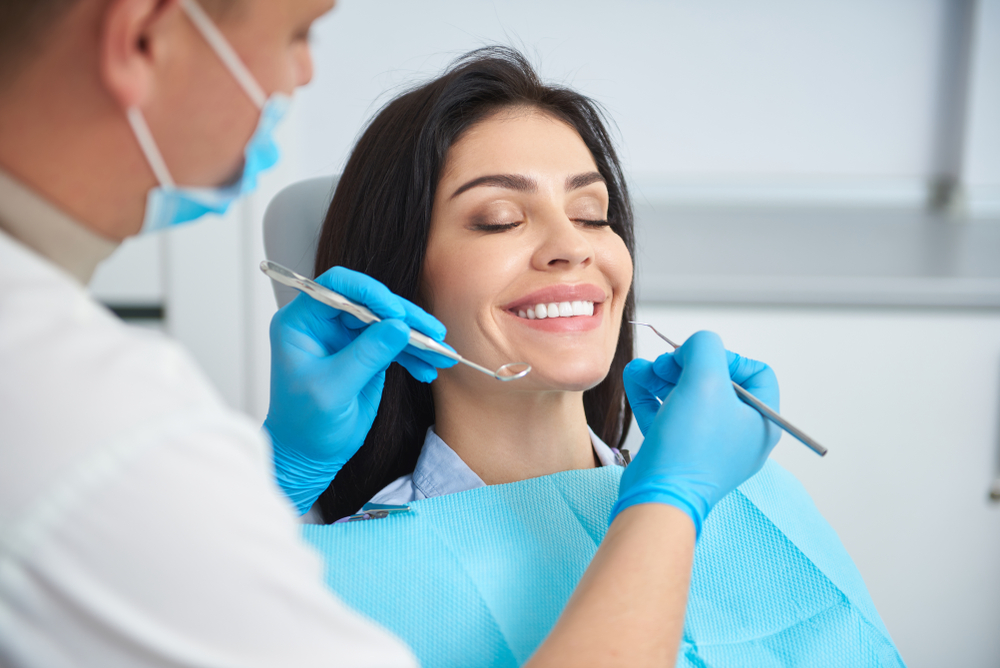
What’s Actually Happening Inside a Cavity
A cavity starts small, so small you probably won’t feel it at first. Bacteria in your mouth feed on sugar and produce acid as a byproduct. That acid slowly eats through your enamel, creating a hole that gets deeper the longer it goes untreated. Once it breaks past the outer layer, it reaches the softer dentin beneath, where nerve endings live. That’s when sensitivity and pain start to show up.
A filling works by interrupting that process entirely. The decayed material is removed, the area is cleaned, and the space is sealed with a durable material such as composite resin, porcelain, or amalgam that rebuilds the tooth’s structure. This doesn’t just relieve discomfort; it stops the bacteria from burrowing any deeper. The sooner a cavity is caught and filled, the less tooth structure is lost and the simpler the treatment.

Benefits of Fillings
Keeps Small Problems from Turning Costly
Catching a cavity early and filling it is significantly cheaper than treating a tooth that’s been left to decay. When decay reaches the pulp of the tooth, a root canal or crown becomes necessary, and those are procedures that are far more involved and more expensive. A filling placed at the right time is one of the most cost-effective decisions you can make for your dental health. Skipping it rarely saves money; it almost always costs more later.
Reduces Tooth Sensitivity You've Been Ignoring
That sharp sting when you drink something cold or bite into something sweet isn’t something you just have to live with. It’s often a sign that decay has exposed the dentin layer beneath your enamel. A filling seals that exposure and dramatically reduces or eliminates that sensitivity. Many patients are surprised by how much more comfortable eating and drinking becomes once a problem tooth is properly restored.
Keeps Your Bite Balanced and Even
A decayed or structurally compromised tooth affects more than just that one spot in your mouth. When you unconsciously avoid chewing on a sore side, you shift extra pressure onto your other teeth, which can cause uneven wear over time. Fillings restore the tooth to its original shape, redistributing bite force the way it’s supposed to work. That balance matters more than most people realize for the long-term health of your jaw and surrounding teeth.
Prevents Bacteria from Settling In Deeper
Once a cavity forms, it creates a space where bacteria can collect and continue breaking down tooth structure. A filling eliminates that space entirely by bonding directly to the tooth surface and sealing it shut. There’s nowhere left for bacteria to hide and no pathway for decay to continue. That seal is what makes fillings a preventive measure just as much as a restorative one.
Supports the Health of Your Surrounding Teeth
A decayed tooth doesn’t exist in isolation. It’s surrounded by teeth that can be affected by what happens to it. Bacteria from an untreated cavity can spread to neighboring teeth, and a structurally weak tooth can shift position over time, affecting your alignment. Restoring it with a filling stabilizes that area of your mouth and helps the teeth around it stay healthy, properly spaced, and functioning as they should.
What to Expect When You Come In for a Filling
What Sets Our Practice Apart
At Tesoro Dental, fillings aren’t treated as a routine box to check. They’re treated as an opportunity to genuinely improve your oral health and your confidence. Dr. Ahreum Kim, DDS and Dr. Sam Park, DDS bring both clinical expertise and a patient-centered approach to every appointment. They take time to explain what’s happening, listen to your concerns, and make decisions that prioritize your comfort alongside your dental health.
The team uses modern materials and techniques to ensure your filling looks natural, feels comfortable, and holds up over time. Whether you’re nervous about dental treatment or simply want the process to be as smooth as possible, you’ll find a practice that’s focused on making every visit efficient and stress-free. From the moment you walk in to the moment you leave, the standard is thorough, attentive care that you can count on.

Don’t Let a Small Cavity Become a Bigger Problem
A filling done early is one of the simplest things you can do for your long-term dental health, and Dr. Ahreum Kim, DDS and Dr. Sam Park, DDS at Tesoro Dental are ready to make that process as smooth as possible. Schedule your visit today by calling our practice at 661.702.9595 and let the team take care of it properly. While you’re at it, find us on social media where we answer common dental questions, share what goes on in the practice, and stay connected with our patients between visits.
FAQs
What are fillings for teeth?
Fillings are dental restorations used to repair teeth damaged by decay or cavities. When a cavity develops, a dentist removes the decayed portion of the tooth and fills the space with a durable material such as composite resin, porcelain, or amalgam. This restores the tooth’s shape, prevents bacteria from re-entering the space, and allows it to function normally again.
How long does a teeth filling last?
The lifespan of a filling depends on the material used and how well you care for your teeth. Composite resin fillings typically last 7 to 10 years, while amalgam and porcelain options may last longer with proper maintenance. Regular dental checkups allow your dentist to monitor the condition of your fillings and address any wear before it becomes a problem.
Does getting teeth filled hurt?
Most patients experience little to no pain during a filling procedure, thanks to local anesthesia that numbs the area before treatment begins. You may feel some pressure or vibration, but sharp pain is not a normal part of the process. If you’re anxious about dental treatment, letting your dentist know beforehand allows them to take extra steps to keep you comfortable throughout.
Why do my teeth hurt after a filling?
Some sensitivity after a filling is completely normal and typically resolves within a few days to a couple of weeks. The tooth and surrounding tissues may be slightly irritated from the procedure, and temperature sensitivity is common during this adjustment period. If pain persists or worsens beyond two weeks, contact your dental office, as the bite may need a minor adjustment or further evaluation.
Can you eat after a dental filling?
It depends on the type of filling you received. Composite resin fillings are hardened immediately with a curing light, so you can eat soon after, though it’s smart to wait until the numbness wears off to avoid accidentally biting your cheek. If you received an amalgam filling, your dentist may recommend waiting several hours before chewing on that side to allow it to fully set.